

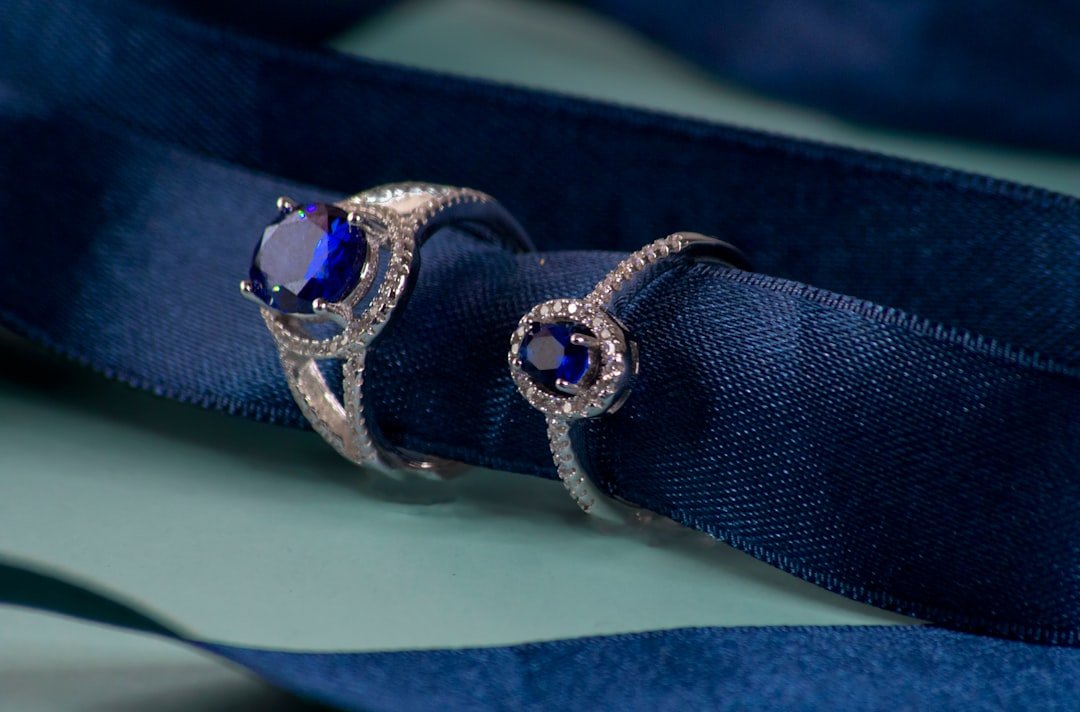
Blue sapphire, a gemstone that has captivated hearts and minds for centuries, is renowned for its stunning deep blue hue and remarkable durability. This precious stone, a variety of corundum, is not only cherished for its beauty but also for its rich history and cultural significance. The allure of blue sapphire transcends mere aesthetics; it embodies a sense of elegance and sophistication that has made it a favourite among gem enthusiasts and collectors alike.
The gemstone’s vibrant colour is attributed to the presence of trace elements such as iron and titanium, which create its signature blue shade. While blue is the most recognised colour of sapphire, this gemstone can also be found in a range of other hues, including pink, yellow, and green. However, it is the deep blue variety that has earned the most acclaim, often associated with nobility and prestige.
As we delve deeper into the historical significance, royal connections, and symbolic meanings of blue sapphire, we will uncover the many facets that make this gemstone truly extraordinary. Discover timeless elegance with our Pure Gold Blue Sapphire Ring – Buy Now and make every occasion special.
Key Takeaways
- Blue sapphires have a rich history and have been treasured for centuries.
- They hold significant symbolism, often representing wisdom, loyalty, and nobility.
- Blue sapphires are prominently featured in royal jewelry and crowns worldwide.
- The gemstone is celebrated in literature and art for its beauty and mystique.
- Proper selection and care are essential to maintain the brilliance and longevity of blue sapphires.
Historical Significance of Blue Sapphire
The history of blue sapphire is as rich and varied as the gemstone itself. Its origins can be traced back to ancient civilisations, where it was revered for its beauty and believed to possess protective qualities. In ancient Persia, it was thought that the sky was painted blue by the reflection of this precious stone, highlighting its connection to the divine.
Similarly, in ancient Greece and Rome, blue sapphires were associated with wisdom and royalty, often worn by leaders and philosophers as a symbol of their status. Throughout history, blue sapphire has been linked to various cultures and traditions. In the Middle Ages, it was believed that wearing a blue sapphire could protect its wearer from envy and harm.
This belief led to its popularity among clergy and nobility, who adorned themselves with these gemstones as a form of spiritual protection. The stone’s historical significance is further underscored by its use in religious artefacts and ceremonial regalia, where it was often set in gold or silver to enhance its beauty and value.
Blue Sapphire in Royal Families
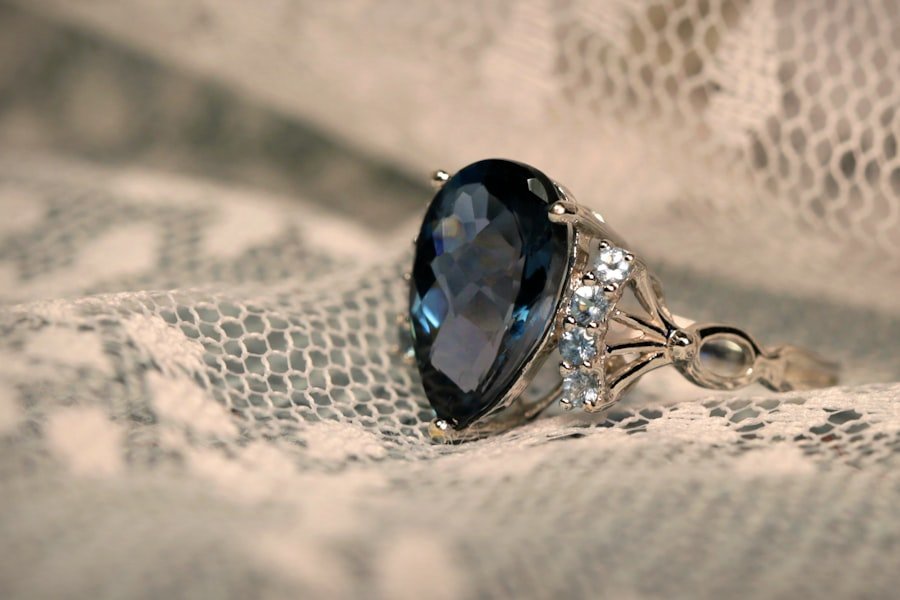
Blue sapphire has long been associated with royalty, making it a staple in the crowns and jewels of monarchs around the world. One of the most famous examples is the engagement ring of Princess Diana, which features a stunning blue sapphire surrounded by diamonds. This iconic piece has since been passed down to Kate Middleton, the Duchess of Cambridge, further solidifying the gemstone’s connection to royal lineage.
The allure of blue sapphire extends beyond individual pieces; entire collections of royal jewels often feature this magnificent stone. For instance, the British Crown Jewels include several blue sapphires that have adorned crowns and sceptres throughout history. These royal connections not only enhance the gemstone’s prestige but also contribute to its desirability among collectors and enthusiasts alike.
The stories behind these royal pieces add an extra layer of intrigue to the already captivating world of blue sapphire.
Symbolism and Meaning of Blue Sapphire
Blue sapphire is imbued with a wealth of symbolism and meaning that resonates with many individuals. Often regarded as a stone of wisdom, it is believed to promote mental clarity and enhance communication. This makes it a popular choice for those seeking to improve their decision-making abilities or foster deeper connections with others.
The calming blue hue is also associated with tranquillity and peace, making it an ideal gemstone for meditation and reflection. In addition to its intellectual properties, blue sapphire is often linked to loyalty and fidelity. This connection has made it a popular choice for engagement rings and wedding bands, symbolising enduring love and commitment between partners.
The gemstone’s rich history as a symbol of nobility further reinforces its association with honour and integrity. As such, blue sapphire serves not only as a beautiful adornment but also as a meaningful token that carries deep emotional significance.
Blue Sapphire in Jewelry and Fashion
| Aspect | Details | Significance |
|---|---|---|
| Historical Usage | Used in royal crowns, jewelry, and regalia across cultures | Symbolizes authority and power |
| Color Symbolism | Deep blue color associated with wisdom, loyalty, and nobility | Represents trust and integrity in leadership |
| Durability | Hardness rating of 9 on Mohs scale | Ensures longevity and enduring value |
| Rarity | Less common than other gemstones like quartz or topaz | Enhances exclusivity and prestige |
| Cultural Beliefs | Believed to protect royalty from harm and envy | Adds mystical and protective qualities |
| Famous Examples | British Crown Jewels, including the Stuart Sapphire | Historical proof of royal endorsement |
The versatility of blue sapphire makes it a sought-after gemstone in the world of jewellery and fashion. From classic solitaires to intricate designs featuring multiple stones, blue sapphires can be incorporated into various styles to suit any taste. Their striking colour pairs beautifully with both white and yellow gold, as well as platinum, allowing for endless design possibilities.
In recent years, blue sapphire has gained popularity in contemporary fashion trends. Designers are increasingly incorporating this gemstone into statement pieces that showcase its vibrant hue. Whether set in earrings, necklaces, or bracelets, blue sapphires add a touch of elegance to any outfit.
Additionally, their durability makes them suitable for everyday wear, ensuring that they remain a staple in both casual and formal attire.
Blue Sapphire in Literature and Art
Blue sapphire has inspired countless artists and writers throughout history, serving as a muse for creative expression across various mediums. In literature, references to this gemstone can be found in works ranging from ancient texts to modern novels. Its symbolism often reflects themes of love, loyalty, and wisdom, making it a powerful motif in storytelling.
In the realm of art, blue sapphire has been depicted in paintings, sculptures, and decorative arts. Artists have sought to capture the gemstone’s captivating colour and brilliance through their work, often using it as a symbol of beauty and aspiration. The enduring appeal of blue sapphire in both literature and art highlights its cultural significance and the profound impact it has had on human creativity.
The Mystique and Mystical Properties of Blue Sapphire
Beyond its aesthetic appeal and historical significance, blue sapphire is often associated with mystical properties that have intrigued people for centuries. Many believe that this gemstone possesses protective qualities that can shield its wearer from negative energies and harm. It is thought to enhance intuition and spiritual insight, making it a popular choice among those seeking guidance on their life journey.
In various cultures, blue sapphire is also believed to bring good fortune and prosperity. This connection to abundance has made it a favoured stone for those looking to attract success in their personal or professional lives. The mystique surrounding blue sapphire adds an enchanting layer to its already rich narrative, inviting individuals to explore its potential benefits beyond mere aesthetics.
How to Choose and Care for Blue Sapphire Gemstones
When selecting a blue sapphire gemstone, there are several factors to consider to ensure you choose a high-quality piece that meets your preferences. Here are some key aspects to keep in mind: 1. **Colour**: Look for a deep blue hue with vivid saturation.
The most desirable sapphires exhibit a rich colour without any zoning or colour banding.
2. **Clarity**: While some inclusions are common in natural sapphires, aim for stones with minimal visible flaws to ensure maximum brilliance.
3. **Cut**: The cut of the gemstone significantly impacts its overall appearance.
A well-cut sapphire will reflect light beautifully and enhance its colour.
4. **Carat Weight**: Consider the size of the stone based on your personal preference and budget. Larger sapphires tend to be more valuable but also more expensive.
Caring for your blue sapphire is essential to maintain its beauty over time. Here are some practical tips: – **Cleaning**: Use warm soapy water and a soft brush to gently clean your sapphire jewellery. Avoid harsh chemicals or ultrasonic cleaners that may damage the stone.
– **Storage**: Store your sapphires separately from other gemstones to prevent scratching or damage.
– **Regular Inspections**: Have your jewellery inspected by a professional jeweller periodically to ensure settings are secure and stones are intact.
By following these guidelines, you can ensure that your blue sapphire remains a cherished part of your collection for years to come. In conclusion, blue sapphire is more than just a beautiful gemstone; it is steeped in history, symbolism, and cultural significance. Its connections to royalty, literature, art, and mysticism make it an enduring favourite among gem enthusiasts worldwide.
Whether you are drawn to its stunning colour or its rich narrative, blue sapphire continues to captivate hearts across generations. If you’re considering adding this magnificent gemstone to your collection or wish to learn more about its properties and significance, feel free to reach out for further information or assistance!