


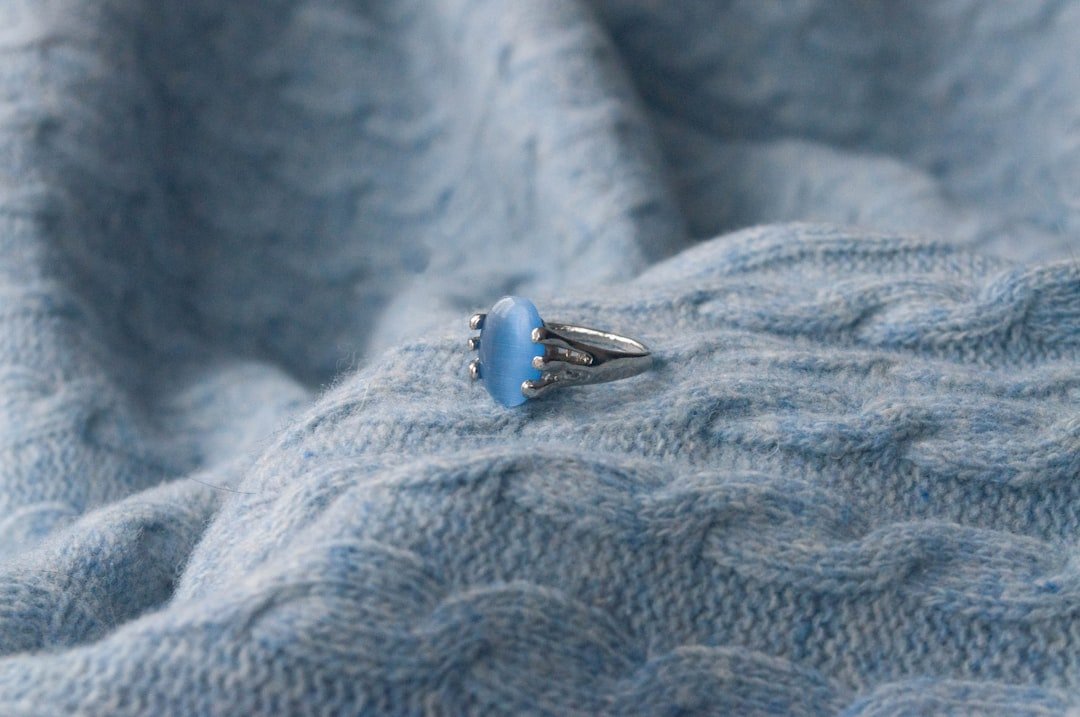
Royal blue sapphires are among the most coveted gemstones in the world, renowned for their deep, vibrant hue and remarkable brilliance. These exquisite stones have captivated the hearts of many, from ancient royalty to modern-day collectors. The allure of royal blue sapphires lies not only in their stunning appearance but also in their rich history and cultural significance.
As a symbol of nobility and wisdom, these gemstones have been cherished for centuries, making them a timeless choice for jewellery and adornment. The term “royal blue” refers to a specific shade of blue that is both intense and vivid, often associated with the highest quality sapphires. This particular colour is a result of trace elements within the stone, primarily iron and titanium, which contribute to its unique and striking appearance.
As we delve deeper into the world of royal blue sapphires, we will explore their origins, characteristics, historical significance, and how to care for these magnificent gems. Discover timeless elegance with our Pure Gold Blue Sapphire Ring – Buy Now and make every occasion special.
Key Takeaways
- Royal blue sapphires are prized gemstones known for their deep, vivid blue color and durability.
- They form naturally through geological processes involving aluminum oxide and trace elements like iron and titanium.
- Historically, royal blue sapphires symbolize nobility, wisdom, and protection across various cultures.
- Authenticating royal blue sapphires involves examining color, clarity, cut, and origin using gemological tools.
- Proper care includes gentle cleaning and avoiding exposure to harsh chemicals to maintain their brilliance and value.
The Origin and Formation of Royal Blue Sapphires
Royal blue sapphires are a variety of corundum, a mineral composed primarily of aluminium oxide. The formation of these gemstones occurs deep within the Earth’s crust under extreme heat and pressure over millions of years. The presence of specific trace elements during this process is what gives royal blue sapphires their distinctive colour.
In particular, the combination of iron and titanium is crucial in creating the deep blue hue that is so highly sought after. The most famous sources of royal blue sapphires include regions such as Kashmir in India, Sri Lanka, and Madagascar. Each location produces stones with unique characteristics due to variations in geological conditions.
For instance, Kashmir sapphires are known for their velvety texture and rich colour, while Sri Lankan sapphires often exhibit a lighter blue with a hint of violet. Understanding the origin of these gemstones can provide valuable insight into their quality and value.
Characteristics and Properties of Royal Blue Sapphires
Royal blue sapphires possess several key characteristics that set them apart from other gemstones. One of the most notable features is their exceptional hardness, ranking 9 on the Mohs scale, just below diamonds. This durability makes them an ideal choice for everyday wear in rings, necklaces, and other jewellery pieces.
Additionally, royal blue sapphires exhibit excellent clarity, with many stones being eye-clean or having only minor inclusions that do not detract from their beauty. Another important property of royal blue sapphires is their brilliance and luster. When properly cut and polished, these gemstones can reflect light in a way that enhances their colour and overall appearance.
The cut of a sapphire plays a significant role in its visual appeal; popular cuts include oval, cushion, and round shapes, each offering a different aesthetic. Furthermore, the presence of pleochroism—where the stone displays different colours when viewed from different angles—adds to the complexity and charm of royal blue sapphires.
The Significance of Royal Blue Sapphires in History and Culture
Throughout history, royal blue sapphires have held significant cultural and symbolic meanings across various societies. In ancient times, these gemstones were believed to possess protective qualities, safeguarding their wearers from harm and envy. They were often associated with royalty and were used in crowns, sceptres, and other regalia to signify power and authority.
The deep blue hue was thought to represent the heavens, making it a fitting choice for those in positions of leadership. In addition to their royal associations, royal blue sapphires have also played a role in various religious and spiritual practices. In some cultures, they are considered symbols of wisdom, loyalty, and nobility.
The gemstone has been featured prominently in literature and art throughout the ages, further solidifying its status as a cherished treasure. Today, royal blue sapphires continue to be popular choices for engagement rings and other significant jewellery pieces, symbolising love and commitment.
How to Identify and Authenticate Royal Blue Sapphires
| Metric | Description | Typical Range/Value | Significance |
|---|---|---|---|
| Color Hue | Primary color tone of the sapphire | Deep, vivid blue with slight violet undertones | Defines the “royal blue” classification and desirability |
| Clarity | Presence of inclusions or internal flaws | Eye-clean to minor inclusions visible under magnification | Higher clarity increases value and brilliance |
| Carat Weight | Size of the sapphire measured in carats | Typically ranges from 1 to 5 carats for fine specimens | Larger stones are rarer and more valuable |
| Origin | Geographical source of the sapphire | Kashmir, Sri Lanka, Myanmar, Madagascar | Origin affects rarity, color quality, and price |
| Cut | Shape and faceting style of the sapphire | Oval, cushion, round, emerald cuts common | Enhances color saturation and brilliance |
| Hardness | Resistance to scratching on Mohs scale | 9 | Ensures durability for everyday wear |
| Rarity | Availability of royal blue sapphires in the market | High rarity compared to lighter blue sapphires | Contributes to exclusivity and price premium |
Identifying and authenticating royal blue sapphires can be a complex process that requires careful examination by trained professionals. One of the first steps in this process is to assess the colour of the stone. Genuine royal blue sapphires should exhibit a rich, deep blue hue without any overly dark or overly light areas.
Additionally, the presence of any secondary colours—such as violet or green—can affect the stone’s value. Another important factor to consider is clarity. While some inclusions are common in natural sapphires, excessive blemishes or cloudiness can indicate a lower-quality stone or even a synthetic alternative.
A reputable gemologist can use tools such as magnification and spectroscopy to determine the authenticity of a sapphire. Furthermore, certificates from recognised gemological laboratories can provide assurance regarding the stone’s origin and quality.
The Value and Rarity of Royal Blue Sapphires
The value of royal blue sapphires is influenced by several factors, including colour, clarity, cut, and carat weight. Among these factors, colour is often considered the most important determinant of value; stones with a vivid royal blue hue command higher prices than those with lighter or less saturated colours. Clarity also plays a significant role; eye-clean stones are more desirable than those with visible inclusions.
Rarity is another crucial aspect that affects the value of royal blue sapphires. High-quality stones from renowned sources such as Kashmir are particularly rare and can fetch astronomical prices at auction. In contrast, sapphires from less well-known locations may be more readily available but may not possess the same level of desirability or value.
As demand for these stunning gemstones continues to grow, understanding their market dynamics can help buyers make informed decisions.
Famous Royal Blue Sapphire Jewelry Pieces
Throughout history, several iconic pieces of jewellery featuring royal blue sapphires have captured public attention and admiration. One such piece is Princess Diana’s engagement ring, which features a stunning 12-carat oval sapphire surrounded by diamonds. This ring has since become synonymous with elegance and has inspired countless replicas around the world.
Another notable example is the “Blue Heart” sapphire necklace worn by actress Elizabeth Taylor. This exquisite piece features a large heart-shaped sapphire set in diamonds and has become one of her most famous accessories. These pieces not only showcase the beauty of royal blue sapphires but also highlight their significance in popular culture and fashion.
Caring for and Maintaining Royal Blue Sapphires
Caring for royal blue sapphires is essential to preserving their beauty and longevity. Regular cleaning is recommended to remove dirt and oils that can accumulate on the surface of the stone. A gentle solution of warm water mixed with mild soap can be used to clean sapphires; simply soak the stone for a few minutes before gently scrubbing it with a soft brush.
It is also important to store royal blue sapphires properly to prevent scratches or damage from other jewellery pieces. Keeping them in a soft pouch or separate compartment within a jewellery box can help protect them from potential harm. Additionally, it is advisable to have valuable pieces inspected by a professional jeweller periodically to ensure they remain in optimal condition.
In conclusion, royal blue sapphires are not only stunning gemstones but also carry deep historical significance and cultural value. Their unique characteristics make them highly sought after by collectors and jewellery enthusiasts alike. By understanding their origins, properties, and care requirements, individuals can appreciate these magnificent stones even more deeply while ensuring they remain beautiful for generations to come.
