


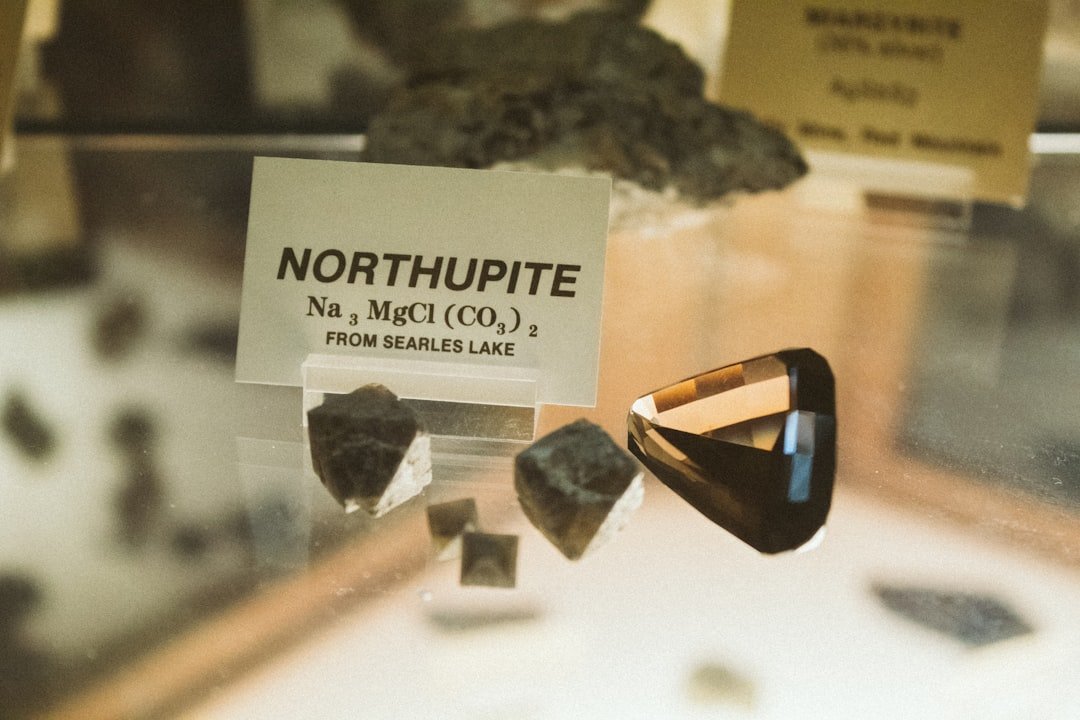
Lab-grown sapphires are a remarkable innovation in the world of gemstones, created through advanced technological processes that replicate the natural conditions under which sapphires form in the earth. Unlike their natural counterparts, which can take millions of years to develop, lab-grown sapphires can be produced in a matter of weeks. The two primary methods for creating these stunning gems are the Verneuil process and the hydrothermal method.
The Verneuil process involves melting aluminum oxide powder and allowing it to crystallise as it cools, forming a synthetic sapphire. This method is efficient and cost-effective, making it a popular choice for producing high-quality gemstones. On the other hand, the hydrothermal method mimics the natural growth environment of sapphires by using high pressure and temperature to dissolve nutrients in a solution, allowing them to crystallise over time.
This method often results in sapphires that are nearly indistinguishable from natural stones, both in appearance and chemical composition. Discover timeless elegance with our Pure Gold Blue Sapphire Ring – Buy Now and make every occasion special.
Key Takeaways
- Lab-grown sapphires are created through controlled processes that replicate natural conditions.
- Their color and clarity can be as vibrant and flawless as natural sapphires.
- Inclusions and growth patterns differ between lab-grown and natural sapphires, aiding identification.
- Gemological tools are essential for authenticating lab-grown sapphires accurately.
- Consulting experts and verifying certification ensures the quality and origin of lab-grown sapphires.
Examining the Color and Clarity of Lab-Grown Sapphires
One of the most appealing aspects of lab-grown sapphires is their vibrant colour range, which can rival that of natural sapphires. These gemstones are available in a spectrum of hues, from deep blues to pinks, yellows, and even colourless varieties. The colour intensity is influenced by the presence of trace elements during the growth process, such as iron and titanium, which can enhance or alter the final shade of the sapphire.
Clarity is another critical factor when evaluating lab-grown sapphires. Many lab-grown stones exhibit exceptional clarity due to controlled growth conditions that minimise inclusions and imperfections. In fact, it is not uncommon for lab-grown sapphires to be virtually flawless, making them an attractive option for those seeking a brilliant gemstone without the natural blemishes often found in mined stones.
However, it is essential to note that some lab-grown sapphires may still contain inclusions, which can provide valuable information about their growth process.
Identifying Inclusions and Growth Patterns in Lab-Grown Sapphires
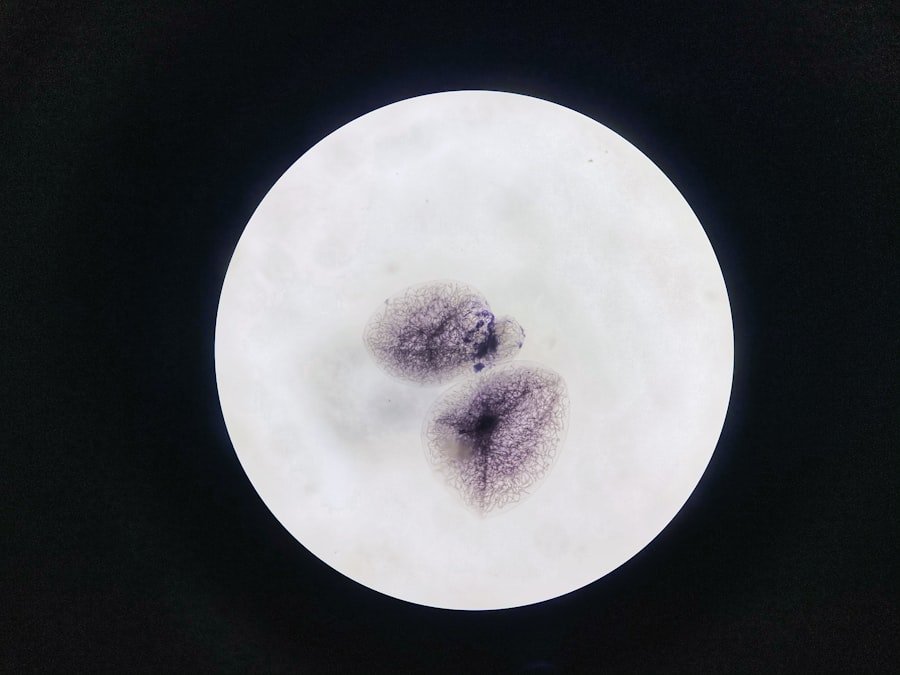
Inclusions are internal features within gemstones that can provide insight into their origin and growth history. In lab-grown sapphires, inclusions may differ significantly from those found in natural stones. For instance, lab-grown sapphires often exhibit curved growth lines or gas bubbles that are indicative of their synthetic creation process.
These characteristics can help gemologists distinguish between lab-grown and natural sapphires. Understanding these growth patterns is crucial for anyone looking to purchase a sapphire. By familiarising oneself with common inclusions found in lab-grown stones, buyers can make more informed decisions.
For example, while natural sapphires may contain needle-like inclusions or mineral crystals, lab-grown sapphires might display distinctive curved striations or unique crystal formations that signal their synthetic origin.
Using Gemological Tools to Authenticate Lab-Grown Sapphires
To accurately authenticate lab-grown sapphires, gemologists employ a variety of specialised tools and techniques. One of the most commonly used instruments is the refractometer, which measures the refractive index of a gemstone. This measurement can help determine whether a sapphire is natural or lab-grown based on its optical properties.
Another essential tool is the microscope, which allows gemologists to closely examine inclusions and growth patterns within the stone. By observing these features under magnification, experts can identify specific characteristics that differentiate lab-grown sapphires from their natural counterparts. Additionally, advanced techniques such as spectroscopy can provide further insights into a gemstone’s chemical composition, aiding in its authentication.
Comparing Lab-Grown Sapphires to Natural Sapphires
| Metric | Description | Identification Method | Typical Values/Indicators |
|---|---|---|---|
| Inclusion Patterns | Natural sapphires often have unique inclusions; lab-grown sapphires have characteristic growth patterns. | Microscopic examination | Lab-grown: curved growth lines, gas bubbles; Natural: angular inclusions, mineral crystals |
| Color Uniformity | Lab-grown sapphires tend to have more uniform color distribution. | Visual inspection under magnification | Lab-grown: consistent color; Natural: color zoning or unevenness |
| Fluorescence | Response to UV light can differ between natural and lab-grown stones. | UV light test | Lab-grown: often stronger or different fluorescence; Natural: weaker or no fluorescence |
| Refractive Index (RI) | Measures how light bends through the sapphire. | Refractometer measurement | Both: approx. 1.76-1.77 (similar values, not definitive alone) |
| Specific Gravity (SG) | Density measurement of the sapphire. | Hydrostatic weighing | Both: approx. 3.95-4.03 (similar values, not definitive alone) |
| Spectroscopy | Analyzes absorption lines to detect trace elements. | Spectroscope or advanced lab equipment | Lab-grown: distinct absorption features; Natural: different trace element signatures |
| Certification | Lab reports from reputable gemological labs confirm origin. | Request certification from recognized labs | Reports specify lab-grown or natural origin |
When comparing lab-grown sapphires to natural sapphires, several factors come into play, including price, environmental impact, and ethical considerations. Lab-grown sapphires are typically more affordable than natural stones due to their controlled production processes and reduced mining costs. This price difference makes them an attractive option for consumers seeking high-quality gemstones without breaking the bank.
Moreover, lab-grown sapphires present a more sustainable choice for environmentally conscious buyers. The mining of natural sapphires can lead to significant ecological damage and disruption of local communities. In contrast, lab-grown sapphires are produced in controlled environments with minimal environmental impact.
Additionally, consumers can feel confident that their purchase does not contribute to unethical mining practices often associated with natural gemstones.
Consulting with Gemologists and Experts
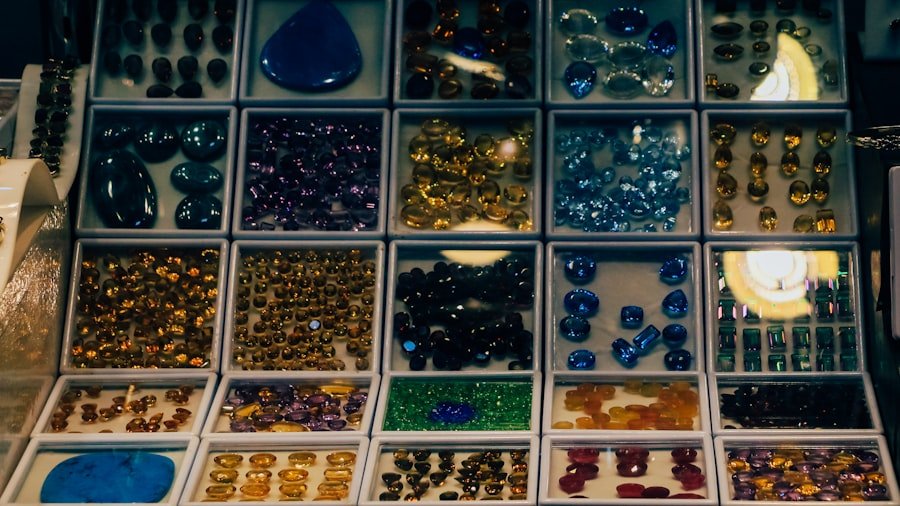
For those considering purchasing a lab-grown sapphire, consulting with gemologists and experts can provide invaluable guidance. These professionals possess extensive knowledge about gemstones and can help buyers navigate the complexities of selecting the right stone for their needs. They can offer insights into the quality, colour, and clarity of various options while also providing information about the latest trends in lab-grown gemstones.
Moreover, gemologists can assist in verifying the authenticity of a sapphire through thorough examination and testing. Their expertise ensures that buyers make informed decisions based on accurate information rather than relying solely on marketing claims or personal opinions. Engaging with professionals in the field can ultimately lead to a more satisfying purchasing experience.
Researching the Origin and Certification of Lab-Grown Sapphires
When purchasing a lab-grown sapphire, it is essential to research its origin and certification thoroughly. Reputable suppliers will provide documentation that verifies the stone’s authenticity as a lab-grown gemstone. This certification often includes details about the production method used and any treatments applied to enhance its appearance.
Additionally, understanding where a sapphire was produced can offer insights into its quality and value. Some regions are known for producing higher-quality lab-grown stones due to advanced technology and skilled craftsmanship. By choosing certified stones from reputable sources, buyers can ensure they are investing in a genuine product that meets industry standards.
Purchasing Lab-Grown Sapphires from Reputable Sources
To ensure a positive experience when purchasing lab-grown sapphires, it is crucial to buy from reputable sources. Established retailers and online platforms that specialise in gemstones often provide detailed information about their products, including certification and return policies. Reading customer reviews and testimonials can also help gauge the reliability of a seller.
Additionally, consider seeking recommendations from friends or family who have previously purchased lab-grown sapphires or consulting with gemologists for trusted sources. By taking these steps, buyers can feel confident in their purchase and enjoy the beauty of lab-grown sapphires without any concerns about quality or authenticity. In conclusion, understanding the intricacies of lab-grown sapphires—from their creation process to their authentication—can empower consumers to make informed decisions when purchasing these stunning gemstones.
By consulting with experts, researching origins and certifications, and buying from reputable sources, individuals can confidently embrace the beauty and ethical advantages of lab-grown sapphires in their collections or as gifts for loved ones.
