

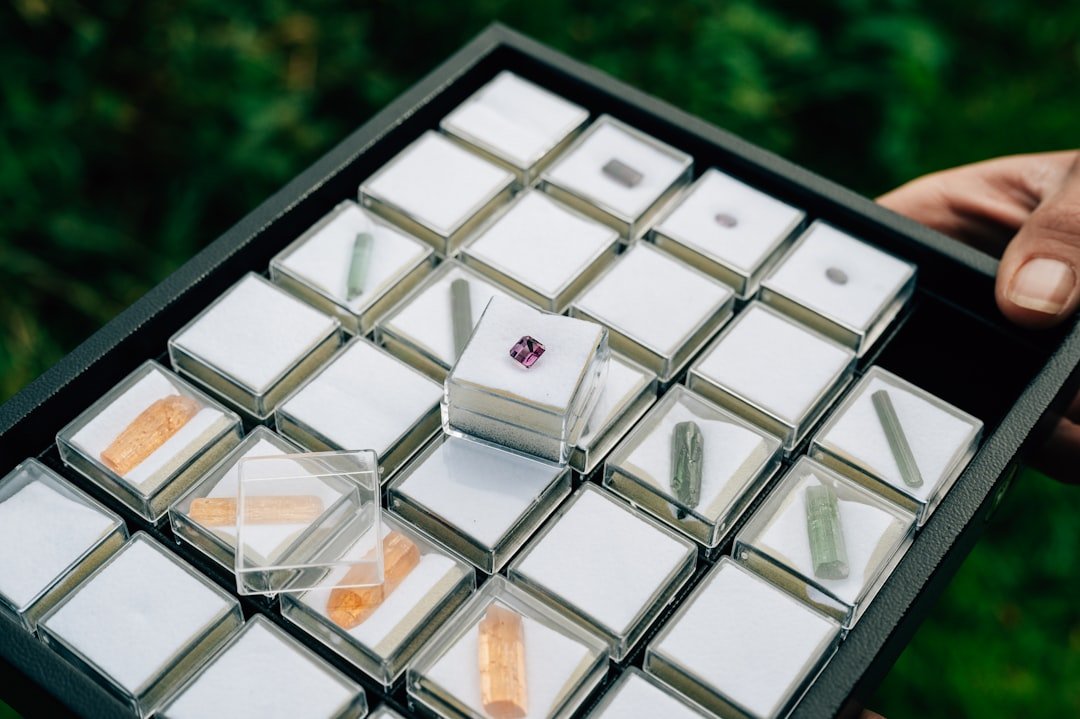
Lab-grown sapphires are a remarkable innovation in the world of gemstones, offering an ethical and sustainable alternative to their natural counterparts. These gemstones are created in controlled environments using advanced technology that replicates the natural processes that form sapphires in the earth. The quality of lab-grown sapphires is determined by several factors, including their colour, clarity, cut, and carat weight, collectively known as the Four Cs.
Unlike mined sapphires, lab-grown varieties can be produced with fewer inclusions and more vibrant colours, making them an attractive choice for consumers seeking both beauty and value. The quality of lab-grown sapphires is not just about their physical attributes; it also encompasses their ethical implications. As awareness of environmental and social issues surrounding mining increases, many consumers are turning to lab-grown options that do not contribute to ecological degradation or exploitative labour practices.
This shift in consumer preference has led to a growing market for high-quality lab-grown sapphires, which are often indistinguishable from natural stones to the untrained eye. Understanding what constitutes quality in lab-grown sapphires is essential for anyone looking to invest in these stunning gems. Discover timeless elegance with our Pure Gold Blue Sapphire Ring – Buy Now and elevate your jewelry collection today.
Key Takeaways
- Lab-grown sapphire quality is assessed using the same Four Cs criteria as natural sapphires: color, clarity, cut, and carat weight.
- Identifying high-quality lab-grown sapphires involves examining their color vibrancy, clarity, precise cut, and certification authenticity.
- Common misconceptions include beliefs that lab-grown sapphires are inferior or lack durability compared to natural ones.
- Certification from reputable gemological labs is crucial to verify the authenticity and quality of lab-grown sapphires.
- The market for lab-grown sapphires is growing, with advancements promising even higher quality and broader acceptance in the future.
The Four Cs of Lab-Grown Sapphire Quality
When assessing the quality of lab-grown sapphires, the Four Cs—colour, clarity, cut, and carat weight—serve as the primary criteria. Each of these factors plays a crucial role in determining the overall appeal and value of the gemstone. Colour is perhaps the most significant aspect of a sapphire’s quality.
Lab-grown sapphires can be produced in a variety of hues, from deep blues to vibrant pinks and yellows. The most sought-after colours are those that are vivid and evenly distributed throughout the stone. A high-quality lab-grown sapphire will exhibit a rich saturation without any zoning or colour banding, which can detract from its beauty.
Clarity refers to the presence of internal or external flaws within the gemstone. Lab-grown sapphires typically have fewer inclusions than their natural counterparts due to the controlled environment in which they are created. A high-quality stone will have minimal visible inclusions, allowing for maximum brilliance and sparkle.
The cut of a sapphire is equally important; it determines how well the stone reflects light. A well-cut sapphire will exhibit excellent brilliance and fire, enhancing its overall appearance. Carat weight measures the size of the gemstone, with larger stones generally being more valuable.
However, it is essential to consider the other Cs alongside carat weight when evaluating quality. A smaller sapphire with exceptional colour and clarity may be more desirable than a larger stone with poor characteristics.
How to Identify High-Quality Lab-Grown Sapphires
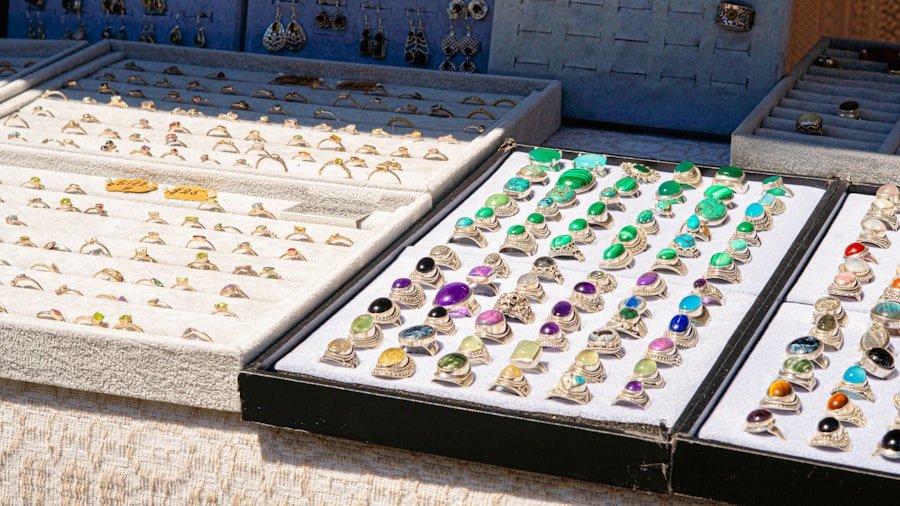
Identifying high-quality lab-grown sapphires requires a keen eye and an understanding of the Four Cs. One of the best ways to ensure you are purchasing a top-tier gemstone is to seek out reputable retailers who provide detailed information about their products. Look for stones that come with certification from recognised gemological laboratories, which can verify their quality and authenticity.
When examining a lab-grown sapphire, start by assessing its colour. A high-quality stone should have a uniform hue without any noticeable colour zoning. Use natural light to evaluate the stone’s brilliance; it should reflect light beautifully without appearing dull or lifeless.
Next, inspect the clarity by looking for inclusions under magnification. High-quality lab-grown sapphires will have minimal inclusions that are difficult to detect even under close scrutiny. The cut of the sapphire is another critical factor in determining its quality.
A well-cut stone will have precise angles and proportions that enhance its sparkle. If possible, compare different stones side by side to see how they reflect light and how their cuts affect their overall appearance. Finally, consider the carat weight in relation to the other Cs; remember that a smaller stone with superior qualities may be more valuable than a larger one with inferior characteristics.
Common Misconceptions About Lab-Grown Sapphire Quality
Despite their growing popularity, there are still several misconceptions surrounding lab-grown sapphires that can lead to confusion among consumers. One common myth is that lab-grown sapphires are inferior to natural stones in terms of quality and value. In reality, many lab-grown sapphires exhibit superior characteristics due to their controlled creation process, resulting in fewer inclusions and more vibrant colours.
Another misconception is that lab-grown sapphires lack the same emotional value as natural stones. While it is true that natural gemstones have a unique history and origin, lab-grown sapphires can still hold significant sentimental value for their owners. Many people appreciate the ethical implications of choosing a lab-grown stone, as it aligns with their values regarding sustainability and responsible sourcing.
Additionally, some consumers believe that lab-grown sapphires are easily distinguishable from natural ones. While there are subtle differences that gemologists can identify using advanced equipment, most consumers will find it challenging to differentiate between the two without professional assistance. This perception can lead to an undervaluation of lab-grown sapphires in the market, despite their high quality.
The Importance of Certification for Lab-Grown Sapphires
| Metric | Description | Typical Range/Value | Importance |
|---|---|---|---|
| Color | Hue and saturation of the sapphire, typically blue but can be other colors | Vivid blue to light blue; also pink, yellow, green | Determines aesthetic appeal and market value |
| Clarity | Presence of inclusions or internal flaws | Eye-clean to minor inclusions visible under magnification | Higher clarity increases brilliance and value |
| Cut | Shape and faceting quality of the sapphire | Round, oval, cushion, emerald cuts; precision cut for maximum brilliance | Enhances light reflection and overall appearance |
| Carat Weight | Size and weight of the sapphire | Typically 0.5 to 5 carats for jewelry use | Impacts size perception and price |
| Origin | Lab-grown vs natural origin | Lab-grown sapphires produced via Verneuil, Czochralski, or hydrothermal methods | Lab-grown sapphires offer consistent quality and ethical sourcing |
| Hardness | Resistance to scratching measured on Mohs scale | 9 (same as natural sapphire) | Ensures durability for everyday wear |
| Refractive Index | Measure of light bending in the sapphire | 1.76 – 1.77 | Influences brilliance and sparkle |
| Transparency | Degree to which light passes through the sapphire | Transparent to slightly translucent | Higher transparency preferred for gemstone quality |
| Trace Elements | Elements like iron, titanium affecting color and quality | Controlled levels to achieve desired color | Critical for color consistency in lab-grown sapphires |
Certification plays a vital role in establishing trust and transparency in the market for lab-grown sapphires. When purchasing a gemstone, it is essential to seek out stones that come with certification from reputable gemological laboratories such as the Gemological Institute of America (GIA) or the International Gemological Institute (IGI). These certifications provide detailed information about the stone’s characteristics, including its colour, clarity, cut, and carat weight.
Having a certified lab-grown sapphire ensures that you are investing in a high-quality product that has been evaluated by experts in the field. Certification also protects consumers from potential fraud or misrepresentation, as it verifies that the stone is indeed lab-grown rather than natural or treated in some way. This added layer of assurance can provide peace of mind when making such an important purchase.
Furthermore, certification can enhance the resale value of your lab-grown sapphire should you ever decide to part with it. A certified stone is more likely to attract buyers who appreciate its verified quality and authenticity. In an increasingly competitive market, having documentation that supports your gemstone’s value can make all the difference.
How to Care for High-Quality Lab-Grown Sapphires
Caring for high-quality lab-grown sapphires is essential to maintain their beauty and longevity. While these gemstones are durable and resistant to scratching due to their hardness (9 on the Mohs scale), they still require proper care to keep them looking their best. To clean your lab-grown sapphire, use a gentle solution of warm water and mild soap.
Avoid harsh chemicals or abrasive cleaners that could damage the stone’s surface or alter its appearance. Soak the gemstone for a few minutes before gently scrubbing it with a soft brush or cloth to remove any dirt or residue. Rinse thoroughly with clean water and dry with a soft cloth.
When storing your lab-grown sapphire, keep it separate from other jewellery pieces to prevent scratches or damage. Consider using a soft pouch or a dedicated jewellery box lined with fabric to protect your gemstones from potential harm. Additionally, avoid exposing your sapphire to extreme temperatures or harsh environments, as this can affect its appearance over time.
Regular inspections are also advisable; check for any loose settings or signs of wear that may require professional attention. By taking these simple steps, you can ensure that your high-quality lab-grown sapphire remains a cherished part of your collection for years to come.
The Market for Lab-Grown Sapphire Quality
The market for lab-grown sapphires has experienced significant growth in recent years as consumers become more aware of ethical sourcing and sustainability issues within the gemstone industry. As demand increases, so does the variety of options available to consumers, ranging from engagement rings to fashion jewellery featuring these stunning stones. Lab-grown sapphires are often more affordable than their natural counterparts due to lower production costs and reduced market pressures associated with mining practices.
This affordability allows consumers to invest in larger or higher-quality stones without breaking the bank. As more retailers begin to offer lab-grown options alongside traditional gemstones, consumers have greater access to these beautiful alternatives. Moreover, advancements in technology continue to improve the quality and variety of lab-grown sapphires available on the market.
New techniques allow for more precise control over colour and clarity during production, resulting in stones that rival even the finest natural gems. As awareness grows and technology advances, it is likely that lab-grown sapphires will become an increasingly popular choice among consumers seeking both beauty and ethical considerations in their purchases.
The Future of Lab-Grown Sapphire Quality
The future of lab-grown sapphire quality looks promising as consumer preferences shift towards sustainable and ethically sourced products. As technology continues to evolve, we can expect even higher-quality stones with enhanced characteristics that appeal to discerning buyers. Innovations in production methods may lead to new colours and styles that were previously unattainable in both natural and lab-grown varieties.
Additionally, as more retailers embrace lab-grown options, we may see increased competition within the market, driving prices down while simultaneously improving quality standards across the board. This competitive landscape will benefit consumers by providing them with more choices at various price points while ensuring that they receive high-quality products. Furthermore, as education around lab-grown gemstones continues to expand, consumers will become more informed about their options and the benefits associated with choosing lab-grown over mined stones.
This increased awareness will likely lead to greater acceptance and appreciation for lab-grown sapphires within both the jewellery industry and among consumers. In conclusion, understanding lab-grown sapphire quality involves recognising its unique attributes while navigating common misconceptions surrounding these beautiful gemstones. With proper care and attention to certification, consumers can confidently invest in high-quality lab-grown sapphires that align with their values while enjoying stunning pieces that stand out for their beauty and ethical sourcing.