


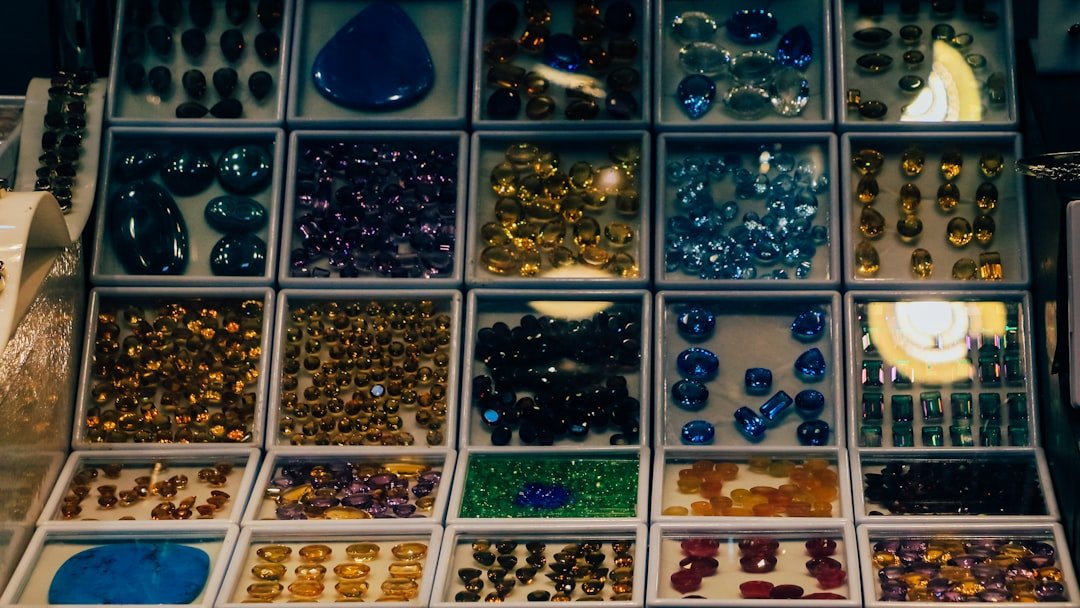
Sapphire jewellery has a rich and storied history that dates back thousands of years. The allure of this stunning gemstone has captivated cultures across the globe, from ancient civilisations to modern-day artisans. Historically, sapphires were revered not only for their beauty but also for their perceived mystical properties.
In ancient Persia, it was believed that the earth rested on a giant sapphire, which cast its blue hue across the sky. This reverence for sapphires extended to various cultures, including the Greeks and Romans, who associated the gemstone with wisdom and nobility. As time progressed, the craftsmanship surrounding sapphire jewellery evolved significantly.
During the Middle Ages, sapphires became a symbol of divine favour and were often used in ecclesiastical adornments. Royalty and clergy alike adorned themselves with sapphire-encrusted crowns and religious relics, believing that the stone would protect them from envy and harm. The craftsmanship of sapphire jewellery reached new heights during the Renaissance, as skilled artisans began to experiment with intricate designs and settings, paving the way for the exquisite pieces we see today. Discover timeless elegance with our Pure Gold Blue Sapphire Ring – Buy Now and elevate your style today.
Key Takeaways
- Sapphire jewellery has a rich history rooted in skilled craftsmanship and cultural significance.
- Sapphires are prized for their unique characteristics, including color, clarity, and durability.
- Expert cutting and polishing techniques enhance the brilliance and beauty of sapphire gemstones.
- Various setting styles showcase sapphires differently, influencing the overall design and appeal.
- Proper grading, certification, and care are essential for maintaining sapphire jewellery’s value and investment potential.
The Characteristics of Sapphire Gemstones
Sapphires are renowned for their striking blue colour, but they actually come in a variety of hues, including pink, yellow, green, and even colourless. The most sought-after sapphires are those that exhibit a deep, vibrant blue, often referred to as “royal blue.” The colour of a sapphire is determined by its chemical composition, primarily the presence of iron and titanium. The intensity and saturation of the colour can vary significantly, making each gemstone unique.
In addition to their captivating colours, sapphires are also prized for their durability. With a hardness rating of 9 on the Mohs scale, sapphires are one of the hardest gemstones available, second only to diamonds. This exceptional hardness makes them an ideal choice for everyday wear in rings, earrings, and necklaces.
Furthermore, sapphires possess excellent clarity and brilliance, allowing them to reflect light beautifully. When selecting a sapphire, it is essential to consider these characteristics, as they play a crucial role in determining the overall quality and value of the gemstone.
The Art of Sapphire Cutting and Polishing

The cutting and polishing of sapphires is an intricate art that requires both skill and precision. A well-cut sapphire can enhance the stone’s natural beauty and brilliance, while a poorly cut gemstone may appear dull or lifeless. The process begins with selecting rough sapphires that exhibit desirable colour and clarity.
Expert gem cutters then assess each stone’s unique characteristics to determine the most suitable cut. There are several popular cuts for sapphires, including round, oval, cushion, and emerald cuts. Each cut has its own advantages and can dramatically affect the appearance of the gemstone.
For instance, round cuts are known for their exceptional brilliance due to their ability to reflect light from multiple angles. On the other hand, cushion cuts offer a vintage appeal with their soft edges and larger facets. Once the cutting is complete, the polishing process begins.
This involves using fine abrasives to create a smooth surface that enhances the stone’s luster and shine.
The Different Styles of Sapphire Setting
The setting of a sapphire is just as important as the gemstone itself, as it can significantly influence the overall aesthetic of a piece of jewellery. There are numerous styles of sapphire settings, each offering a unique look and feel. One popular style is the prong setting, which uses metal claws to hold the sapphire securely in place while allowing maximum light exposure.
This setting is ideal for showcasing the stone’s brilliance. Another common style is the bezel setting, where a metal rim encircles the sapphire, providing a sleek and modern appearance. This type of setting offers added protection for the gemstone while maintaining a minimalist design.
Additionally, there are more elaborate settings such as halo designs, where smaller diamonds or gemstones encircle the central sapphire, creating a stunning visual effect. Each setting style can be tailored to suit individual preferences and enhance the beauty of the sapphire.
The Importance of Sapphire Grading and Certification
| Aspect | Description | Key Metrics | Importance |
|---|---|---|---|
| Material Quality | Assessment of sapphire clarity, color, and carat weight | Clarity grades (IF to Included), Color grades (AAA to A), Carat weight (cts) | High – Determines overall value and appearance |
| Cut Precision | Accuracy and symmetry of the sapphire cut | Cut angles (degrees), Symmetry score (1-10), Polish quality | High – Enhances brilliance and light reflection |
| Setting Technique | Method used to secure sapphire in jewelry | Type of setting (prong, bezel, pave), Security rating (1-5) | Medium – Affects durability and aesthetic |
| Craftsmanship Time | Time invested in creating the sapphire jewelry piece | Hours spent (average 10-40 hrs) | Medium – Reflects attention to detail |
| Artisan Skill Level | Experience and expertise of the jeweler | Years of experience, Certification levels | High – Influences quality and finish |
| Design Complexity | Intricacy of the jewelry design | Number of design elements, Customization options | Medium – Adds uniqueness and value |
When purchasing sapphire jewellery, understanding grading and certification is crucial for ensuring quality and authenticity. Sapphires are graded based on several factors, including colour, clarity, cut, and carat weight—often referred to as the “Four Cs.” Each of these elements plays a significant role in determining a sapphire’s overall value. Certification from reputable gemological laboratories provides buyers with assurance regarding the quality of their purchase.
These certificates detail essential information about the gemstone’s characteristics and confirm its authenticity. Well-known grading organisations such as the Gemological Institute of America (GIA) or the International Gemological Institute (IGI) offer reliable certification services that can help buyers make informed decisions when investing in sapphire jewellery.
The Role of Sapphire Jewellery Designers

Sapphire jewellery designers play an integral role in bringing creative visions to life while ensuring that each piece is both beautiful and functional. These artisans possess a deep understanding of gemstones and materials, allowing them to create unique designs that highlight the natural beauty of sapphires. Their expertise extends beyond aesthetics; they must also consider factors such as durability and comfort when designing jewellery.
Collaboration between designers and clients is essential in creating bespoke pieces that reflect individual tastes and preferences. Many designers offer customisation options, allowing clients to choose specific sapphires, settings, and styles that resonate with them personally. This personalised approach not only results in one-of-a-kind jewellery but also fosters a deeper connection between the wearer and their piece.
The Maintenance and Care of Sapphire Jewellery
Proper maintenance and care are vital for preserving the beauty and longevity of sapphire jewellery. While sapphires are durable gemstones, they still require regular cleaning to maintain their brilliance. A simple solution of warm water mixed with mild soap can effectively remove dirt and oils that accumulate over time.
Using a soft brush or cloth can help reach intricate areas without scratching the surface. It is also advisable to store sapphire jewellery separately from other pieces to prevent scratches or damage. A soft pouch or lined jewellery box can provide adequate protection when not in use.
Additionally, it is wise to have sapphire jewellery professionally inspected periodically to ensure that settings remain secure and stones are free from damage.
The Value and Investment Potential of Sapphire Jewellery
Sapphire jewellery not only holds aesthetic appeal but also presents significant investment potential. As demand for high-quality sapphires continues to rise globally, particularly for rare colours such as pink or padparadscha sapphires, their value has steadily increased over time. Investing in sapphire jewellery can be a wise decision for those looking to diversify their portfolios or acquire tangible assets.
When considering sapphire jewellery as an investment, it is essential to focus on quality factors such as colour saturation, clarity, cut quality, and certification status. Rare gemstones with exceptional characteristics tend to appreciate more significantly than standard stones. As with any investment, thorough research and expert advice can help buyers make informed decisions that align with their financial goals.
In conclusion, sapphire jewellery craftsmanship encompasses a rich history filled with artistry and tradition. From understanding the characteristics of sapphires to appreciating the intricate art of cutting and setting them, each aspect contributes to the allure of these stunning gemstones. With proper care and attention to grading standards, sapphire jewellery can serve as both a beautiful adornment and a valuable investment for years to come.
